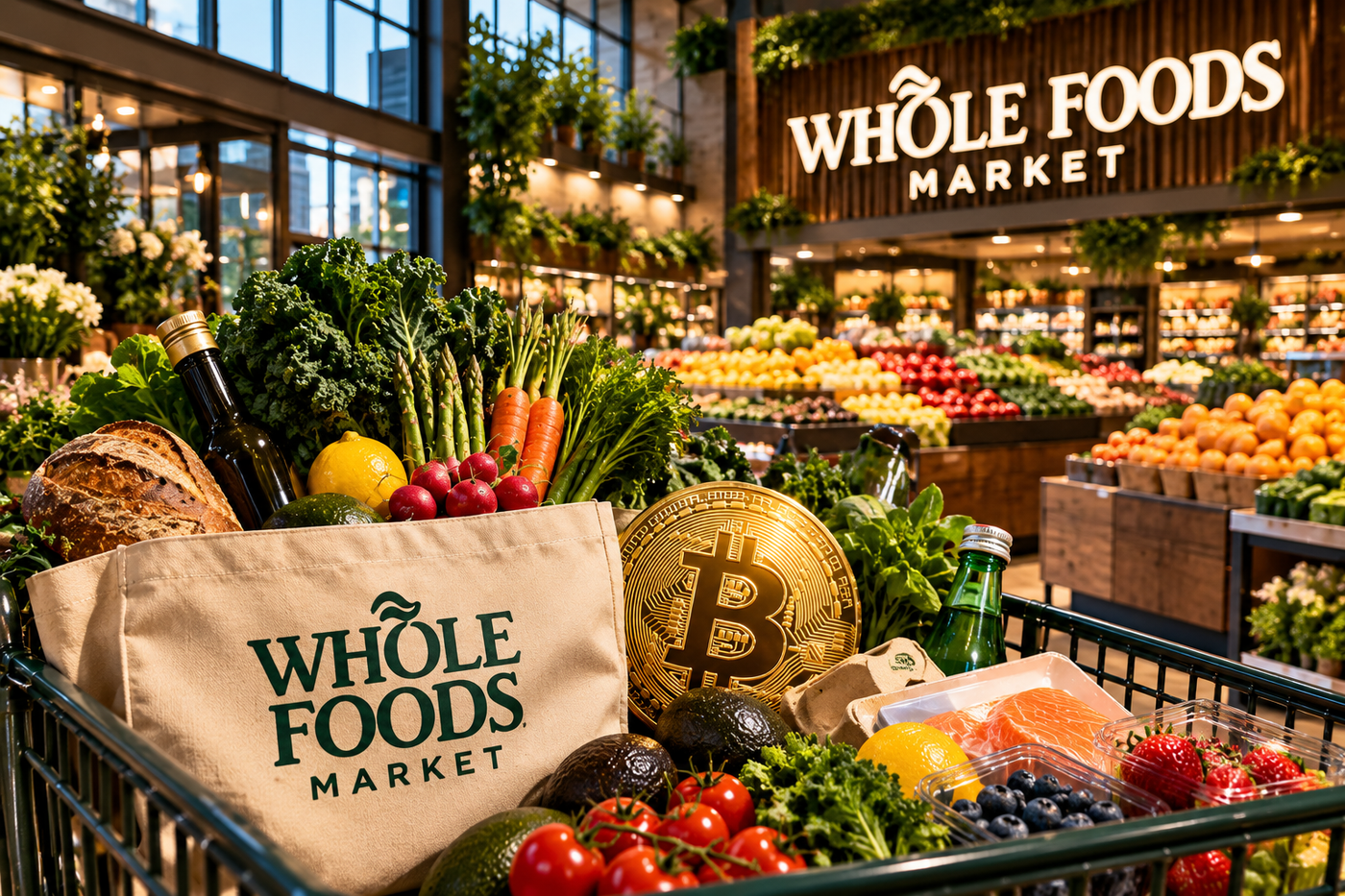
That headline sounds cocky.
But hear me out.
I’m shopping at the same grocery stores as everyone else. I’m not getting some secret discount at checkout.
The difference is how I measure the cost.
Most people measure everything in dollars.
I increasingly measure things in Bitcoin.
And once you start thinking that way, inflation looks completely different.
Your Money Is Losing Purchasing Power
When your grocery bill goes from $200 to $250, you naturally think:
“Groceries are getting more expensive.”
They are.
But that’s only half the story.
Over time, inflation reduces what each dollar can buy.
So while you’re watching grocery prices rise, you should also be asking:
What’s happening to the purchasing power of the money I’m saving?
That’s the question most people ignore.
Why Mine Are Getting Cheaper
Bitcoin has gone from being worth almost nothing to being worth nearly $100,000 per coin.
So if a meaningful portion of my long-term wealth is stored in an asset that has appreciated dramatically against the dollar, I look at rising prices differently.
Measured against Bitcoin held through periods of appreciation, many things can become cheaper.
Homes.
Cars.
Travel.
And yes, groceries.
Bitcoin doesn’t always go up. It can drop 30%, 50% or more. Nothing about future appreciation is guaranteed.
But it has fundamentally changed how I think about money.
21 Million. That’s It.
Governments can expand the supply of currency.
Bitcoin’s maximum supply is 21 million.
I still earn dollars.
I still spend dollars.
I still keep cash for expenses and liquidity.
But I don’t want to store all of my long-term wealth in dollars.
So maybe the question isn’t only:
“Why is everything getting more expensive?”
Maybe it’s:
“What am I storing my wealth in?”
That’s why my groceries are getting cheaper.
Yours probably aren’t.
My view hasn’t changed: think long, act early. — Prakash
